Electrical Panel Upgrades: What Homeowners Should Know Before Adding High-Demand Appliances
When Your Home's Electrical System Needs More Capacity
Adding a high-demand appliance like an electric vehicle charger, a heat pump, or a large air conditioner can put unexpected stress on your home's electrical system. Many homeowners discover the hard way that the existing electrical panel simply cannot handle the additional load. An electrical service upgrade becomes necessary when the main breaker trips frequently, lights dim when an appliance kicks on, or a new device simply won't run. Understanding what this upgrade involves can help you plan ahead and avoid costly surprises.
What Is an Electrical Service Upgrade?
An electrical service upgrade is the process of increasing the capacity of your home's electrical supply. This typically involves replacing the main service panel, the main breaker, and possibly the wiring from the utility connection to your home. The goal is to raise the total electrical load your home can safely handle, measured in amperage (amps). Older homes often have 60-amp or 100-amp services, while modern homes with multiple high-demand appliances may need 150 amps, 200 amps, or more. The upgrade ensures that when you plug in an electric car or run a heat pump on a cold day, the system does not overload.
Signs You Might Need a Service Upgrade
Several warning signs suggest your current electrical panel is nearing its limit. The most obvious is a main breaker that trips frequently, especially when several appliances run at once. Another sign is flickering lights when a large motor starts, such as an air conditioner compressor or a pool pump. Buzzing sounds from the panel, warm breakers, or a burning smell are serious indicators that should be addressed immediately. If you are planning to install an electric vehicle charger or a heat pump, it is wise to have an electrician perform a load calculation to see if your existing service can handle the additional demand.
How Load Calculation Works
A load calculation is a method electricians use to determine the total electrical demand of a home. They add up the wattage of all lights, outlets, and appliances, then apply standard demand factors based on how often things run simultaneously. The result tells you the minimum service size needed. For example, a typical 2,500-square-foot home with electric cooking, electric water heating, and a central air conditioner might already require a 150-amp service. Adding a 50-amp EV charger on top of that would push the total past the panel's rating, making an upgrade necessary.
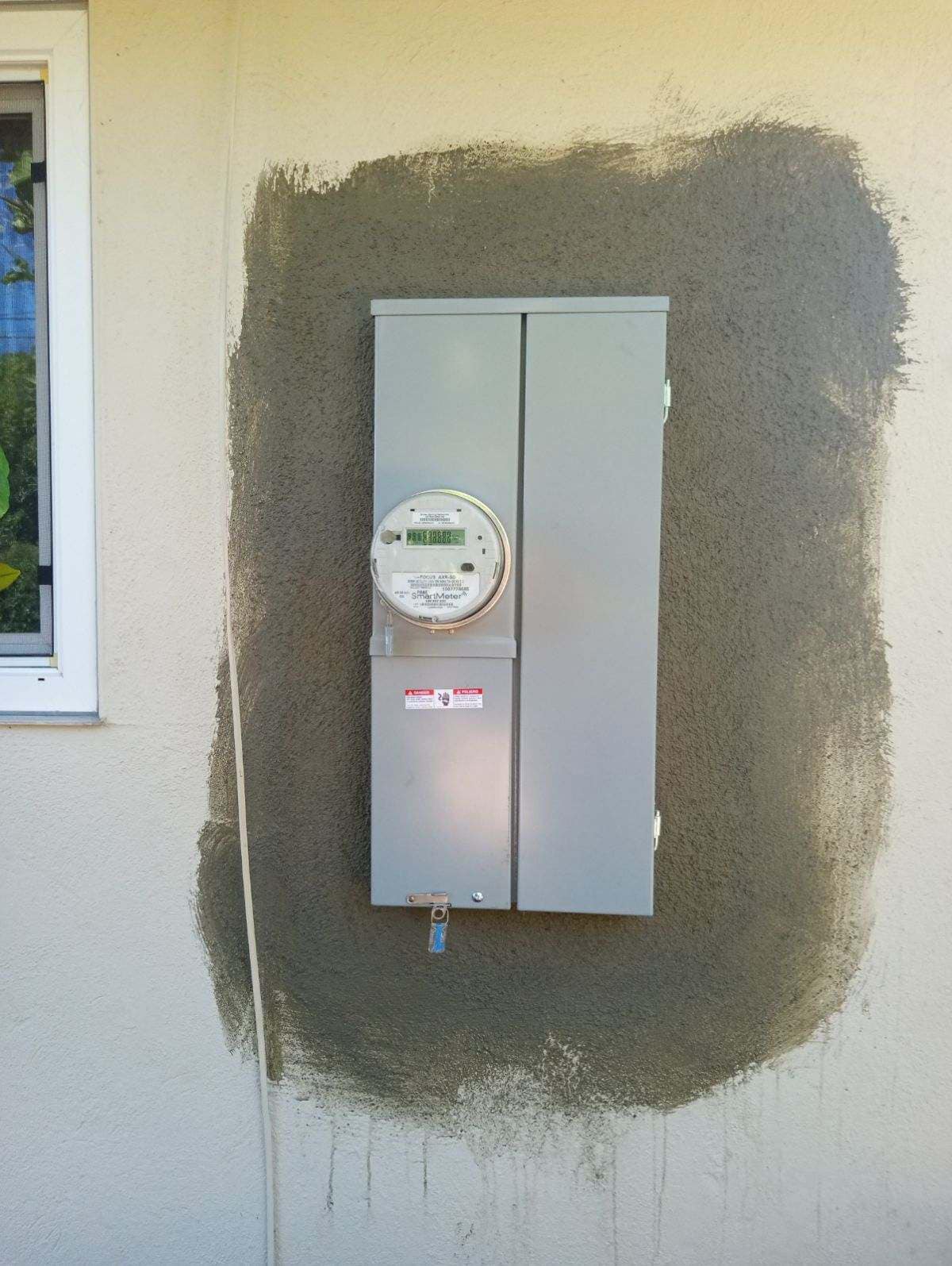
The Role of the Main Breaker
The main breaker is the safety valve for your entire home. It is rated to carry a certain amount of current before it trips, protecting the wiring from overheating. If you add more load than the main breaker allows, it will trip repeatedly. Simply replacing the main breaker with a larger one is not safe unless the wiring and panel are also rated for the higher current. That is why a full service upgrade often includes new wiring from the utility meter to the panel, a new panel, and a new main breaker. This work must be done by a licensed electrician and typically requires a permit from your local building department.
Dedicated Circuits and Subpanels
For some high-demand appliances, a dedicated circuit is sufficient without a full service upgrade. A dedicated circuit runs directly from the main panel to the appliance, ensuring it has its own breaker and wiring. This works if the main panel still has available capacity and space for a new breaker. However, if the panel is full or the total load already approaches the panel's limit, a dedicated circuit alone won't solve the problem. In such cases, adding a subpanel can help. A subpanel is a smaller panel that branches off the main panel, distributing power to a specific area, like a garage or a home addition. It does not increase the total service capacity but can organize circuits and reduce the need for long wire runs.
What an Upgrade Involves
A typical electrical service upgrade starts with an assessment. An electrician inspects the existing panel, the wiring, and the utility connection. They perform a load calculation to determine the new service size needed. Then they plan the upgrade, which may involve coordinating with the utility company to disconnect and reconnect power. The actual work includes replacing the main panel, installing a new main breaker, and often upgrading the service entrance cable. In some cases, the utility may need to upgrade its transformer or the service drop to your home. The entire process can take a day or two, but the utility coordination may add weeks to the timeline. For residents in Santa Clara and nearby Bay Area communities, woodingelectric.com provides electrical panel assessments, upgrades, replacements, and related capacity work. Their team can help you understand what your home needs and handle the technical details.
Cost Considerations and Planning
While exact costs vary widely based on the scope of work, the age of your home, and local permit fees, homeowners should budget for a significant investment. A full service upgrade is not a small project, but it is far less expensive than dealing with repeated outages, damaged appliances, or a fire hazard. Planning ahead is key. If you are considering adding an electric vehicle or switching to a heat pump, have an electrician evaluate your panel before you make the purchase. That way you can include the upgrade cost in your overall budget and avoid the surprise of discovering your home cannot power your new appliance.

Permits and Inspections
Most municipalities require a permit for electrical service upgrades. The permit ensures the work meets local code and is inspected by a building official. This protects you and future homeowners. A permitted upgrade is documented, which is important when selling your home. Buyers and real estate agents look for permitted electrical work as a sign that the system is safe and up to date. Working with a licensed electrician who handles the permit process saves you time and ensures the job passes inspection.
Choosing the Right Electrician
Not all electricians specialize in service upgrades. This work requires knowledge of utility coordination, load calculations, and local codes. Look for an electrician with experience in residential upgrades and a good reputation in your community. Ask for references and check online reviews. A qualified electrician will explain the process clearly, provide a written estimate, and answer your questions. They will also advise you on the best service size for your needs, not just the minimum code requirement. For example, if you plan to add solar panels or a battery storage system in the future, a slightly larger service now can save you from another upgrade later.
What to Expect After the Upgrade
Once the upgrade is complete, your home will have more electrical capacity. The main breaker will no longer trip when you run the oven and the air conditioner at the same time. You can install that EV charger or heat pump without worry. The panel will have space for additional circuits, so future projects are easier. The upgrade also improves safety. An outdated panel that is overloaded can overheat and cause a fire. By upgrading, you reduce that risk. Finally, a modern electrical panel can increase your home's value, especially as more buyers look for homes ready for electric vehicles and efficient electric appliances.
Final Thoughts
An electrical service upgrade is a practical investment for any homeowner adding high-demand appliances. It ensures your home can safely and reliably meet your electrical needs now and in the future. The process involves careful planning, a load calculation, and professional installation. By understanding what is involved, you can make informed decisions and avoid the frustration of an overloaded system. If you live in the Santa Clara area and are considering an upgrade, consulting a local expert like woodingelectric.com can give you a clear picture of what your home requires. They offer assessments and upgrades tailored to your specific situation, helping you move forward with confidence.